Some stories take fifty years to be told.
My father had told our family very little about his service in World War II. We knew he had been a tanker with the 7th Armored Division, mostly because of the patches he kept in his dresser. In 1994, the 50th anniversary of D-Day, the television was filled with stories and interviews. Men were talking, sometimes for the first time, about what they had experienced during the war.
I wrote my father a letter. I asked why he had never really told us what happened to him after he landed in Europe, ninety days after D-Day. I told him he would always be a hero to me. I had no idea how much that letter affected him.
A year later, he wrote eight pages about his wartime experiences and shared them with family and close friends. He was living at the California Veterans Home in Napa, and I was fortunate enough to visit him regularly. We talked about the war, although never enough. Not a day goes by that I don’t wish I could ask him something.
My father died on Christmas Day 1997. My mother died in 2010.
In 2022, my brother-in-law Parker found a box.
My mother had been living with my sister Carol and Parker on Long Island, and after her death, they still had some of her belongings. Inside that box were my father’s wartime letters, military records, photographs, and awards.
I started reading the letters.
They were funny, loving, compassionate, and sometimes surprisingly ordinary. Jack wrote to Jean constantly, but he was always careful about the dangers he faced, knowing how much she worried about him. They were two young people trying to build a marriage while one of them was fighting a war thousands of miles away.
Through the letters, I fell in love with them and their story.
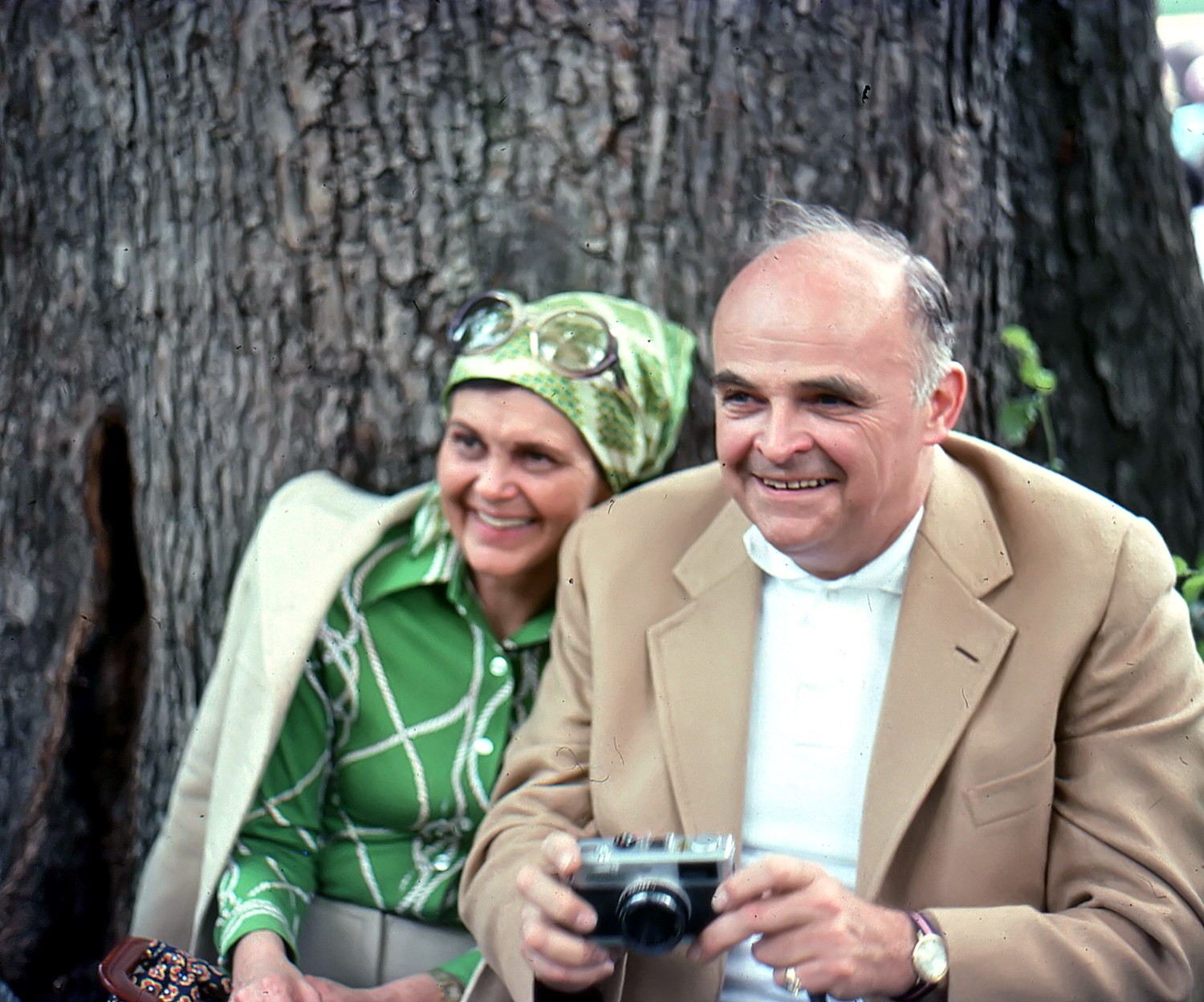
At first, I thought I would put something together for my grandchildren so they would know what their great-grandparents had lived through. The more I read and researched, the more I realized there was a larger story worth telling.
I spent the next two years piecing together my father’s war from his letters, his personal recollections, photographs, military records, and the history of the 7th Armored Division. I wanted to understand where he had been and what had happened around him, but I didn’t want to write another history of World War II. I wanted to tell Jack’s story.
We all have our flaws. One of mine, as Janice will tell you, is wandering away from the story because I’ve found something interesting. Her job was bringing me back. She had a wonderfully simple editorial rule whenever I included something that didn’t belong:
“The reader doesn’t care. Cut it.”
She was usually right.
What began with a letter to my father in 1994 and a box discovered nearly thirty years later became Jack’s Story.